
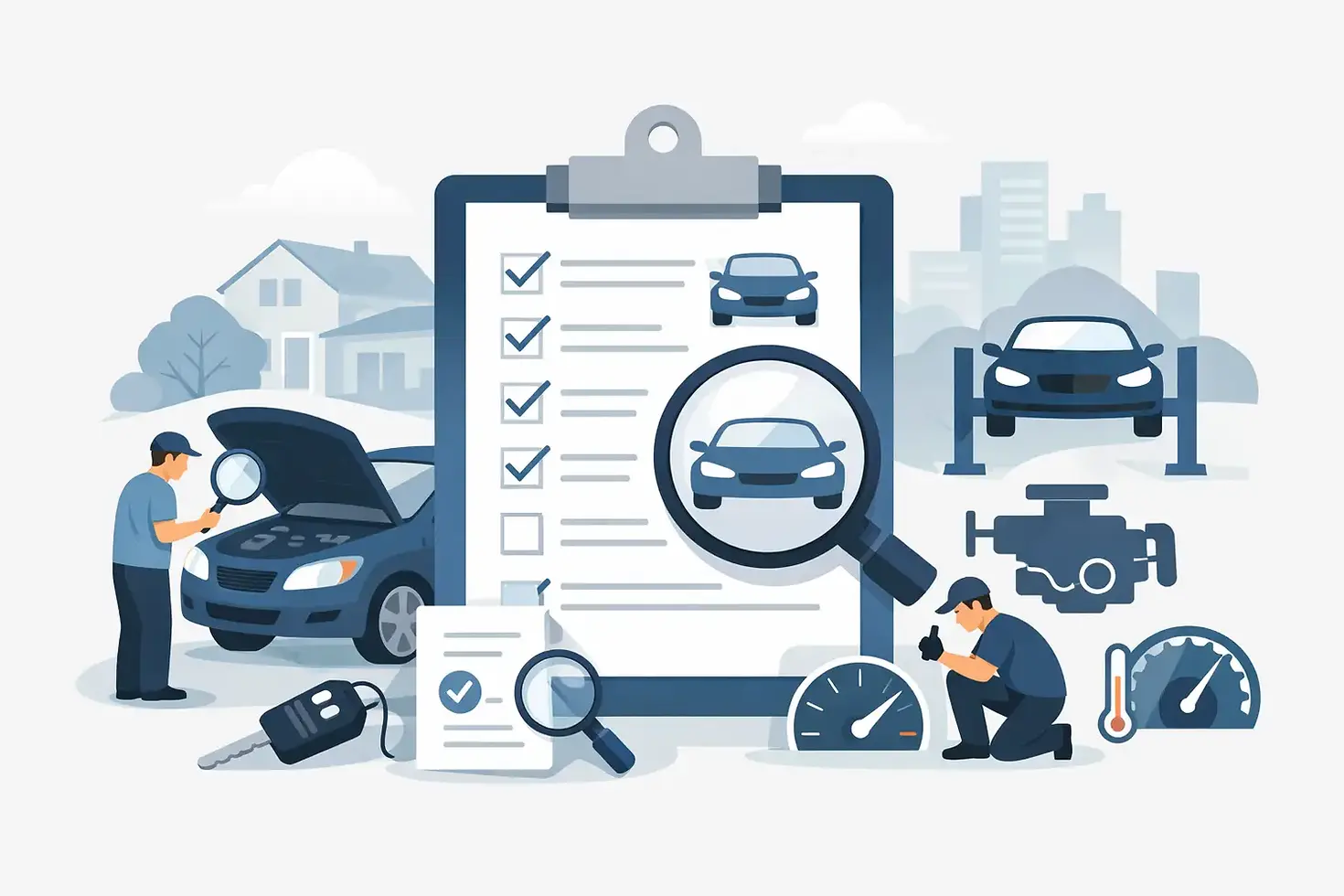
What Does a Pre Purchase Inspection Include?
- Shobab Riaz
- Jun 6
- 6 min read

A used vehicle can look clean, drive well for ten minutes and still hide problems that cost you thousands after you pay. That is why buyers often ask, what does a pre-purchase inspection include? The short answer is this: a proper inspection checks far more than the paintwork and a quick test drive. It is an independent assessment of the vehicle’s mechanical condition, structural integrity, safety, history clues and overall value as a purchase.
If you are buying from a dealer, private seller or auction, the aim is not to find fault for the sake of it. The aim is to give you clear evidence before you commit. A serious inspection should help you decide whether to proceed, renegotiate or walk away.
What does a pre-purchase inspection include in practice?
A genuine pre-purchase inspection is not one single check. It is a series of checks across the areas most likely to affect safety, reliability and repair cost. The exact scope depends on the level of service you book, but the strongest inspections usually cover the vehicle inside, outside, underneath and on the road.
That matters because hidden issues rarely stay in one place. A poor panel gap may point to accident repairs. Uneven tyre wear may suggest suspension or alignment problems. A dashboard warning light may be linked to a deeper engine or electrical fault. Looking at the whole vehicle gives the buyer a more honest picture.
Exterior and bodywork checks
The bodywork is one of the first places an assessor will examine, but not simply to comment on cosmetic marks. The key issue is whether the exterior tells a story about previous damage, poor repairs or neglect.
This normally includes checking the condition of the paint, panels, bumpers, lights, glass and mirrors. An assessor will also look for inconsistent panel gaps, overspray, ripples, filler, corrosion and signs that parts have been replaced or repaired. On a van, side panels, rear doors and loading areas often deserve extra attention because working vehicles can hide hard use.
Minor scratches and age-related marks are common and not always a reason to avoid a vehicle. Poorly repaired accident damage is different. It can affect resale value, safety and insurance implications.
Mechanical condition under the bonnet
A proper inspection should assess the visible mechanical condition of the engine bay and related systems. That usually means checking for fluid leaks, coolant condition, oil level and contamination, belt wear, battery condition, pipework issues and obvious signs of neglect or recent temporary fixes.
The assessor will also look for clues that suggest deeper trouble, such as excessive engine movement, unusual noises, smoke, poor starting or evidence of overheating. Not every issue can be confirmed without dismantling parts, and any honest inspection report should say so. But many expensive problems leave warning signs before they become obvious to a casual buyer.
For buyers, this is where independence matters. A seller may describe a car as running perfectly because it starts and moves. An inspector’s job is to look beyond that claim and judge condition on evidence.
What a pre-purchase inspection includes underneath the vehicle
The underside often tells the truth that the top side hides. A vehicle can be polished on the forecourt and still have underbody corrosion, oil leaks, damaged covers or poor structural repairs.
An underbody inspection may include checks on suspension components, steering parts, brake lines, exhaust system, chassis or subframe areas, floor condition and signs of impact damage. On some vehicles, it can also reveal previous accident repair work that is not obvious from above.
This is especially important in the UK, where weather, road salt, kerb strikes and potholes all take their toll. Corrosion and underbody wear are not rare problems. They are common used-car risks.
Tyres, brakes and suspension
Tyres are one of the easiest ways to judge how a vehicle has been maintained. A pre-purchase inspection should check tread depth, tyre age, brand matching, sidewall damage and uneven wear patterns. Uneven wear can point to alignment issues, worn suspension parts or previous impact damage.
Brakes should also be assessed for condition and performance indicators. That may include visual checks on discs, pads and brake lines, as well as how the brakes respond during the road test. Suspension checks typically focus on wear, knocks, instability and the condition of major components.
These areas matter because they affect both safety and immediate running costs. A car with legal but heavily worn tyres and brakes may still be roadworthy today, yet leave you with a large bill next week.
Diagnostic scan and electronics
Modern vehicles can hide faults very well. Dashboard lights do not always stay on, and some issues only appear in stored fault codes. That is why diagnostics are a key part of a thorough inspection.
A diagnostic scan can reveal recorded faults in systems such as the engine, transmission, emissions control, ABS, airbags and electronics. It can also show whether warning lights have recently been cleared without the underlying problem being repaired.
This does not mean every fault code is a deal-breaker. Some are historic or minor. But if you are asking what a pre-purchase inspection includes, electronic diagnostics should be high on the list, especially with newer vehicles and premium models packed with technology.
Road test assessment
A road test is one of the most valuable parts of any inspection because some faults only appear when the vehicle is driven properly. A short spin around a car park is not enough.
During the road test, an assessor will usually evaluate engine performance, clutch operation, gearbox behaviour, steering response, brake feel, suspension noise, ride quality and how the vehicle tracks on the road. They may also look for warning lights, overheating, vibration, smoke or unusual noises under load.
The road test can highlight issues that static checks miss. A gearbox may shift badly once warm. A steering wheel may pull off-centre at speed. A suspension knock may only appear over rough surfaces. These details matter because they shape the real ownership experience, not just the sale-day impression.
Interior, controls and general condition
Inside the vehicle, the inspection should cover more than whether the seats are clean. An assessor will usually check the condition and operation of major controls and equipment, including windows, locks, heating, air conditioning, dashboard functions, infotainment basics, seatbelts and warning lights.
General cabin wear can also tell you whether the mileage and seller description feel credible. Heavy wear on the driver’s seat, pedals or steering wheel may raise questions if the odometer reading is low. It is not proof on its own, but it is part of the wider condition picture.
For family buyers and van users alike, the interior matters because faults here affect daily usability. Air conditioning, electrical features and safety equipment can be expensive to put right.
Paperwork and history clues
A pre-purchase inspection is mainly a condition check, but paperwork still matters. Where available, the assessor may review service history, MOT history clues, VIN consistency and supporting documents to see whether they line up with the vehicle presented.
This is not the same as a legal title investigation, and a good provider should be clear about the limits. Still, inconsistencies in records, missing history or signs that the vehicle has not been maintained as claimed can influence whether the purchase makes sense.
A strong inspection report should also distinguish between advisory issues, urgent faults and points worth using in negotiation.
What is not usually included?
This is where buyers need to be realistic. A pre-purchase inspection is thorough, but it is not magic. Inspectors do not dismantle the engine, strip the gearbox or remove trim to look inside hidden cavities. They assess what can be seen, tested and evidenced on the day.
That means some faults may remain latent, especially intermittent electrical problems or internal mechanical wear with no current symptoms. Weather, access and seller cooperation can also affect what is possible. A trustworthy inspection company will explain those limits clearly rather than pretending every risk can be eliminated.
Why package levels can differ
Not every buyer needs the same depth of inspection. A lower-cost vehicle may justify a more basic condition check, while a higher-value car, specialist vehicle or hard-worked van often deserves diagnostics, a road test and underbody assessment as standard.
That is why inspection providers may offer Basic, Standard and Premium options. The principle stays the same: the more detailed the inspection, the more evidence you have before you buy. Pre Inspection Clinic Ltd follows that practical approach because buyers have different budgets and different levels of risk exposure.
What should you expect from the final report?
The report should be clear, independent and easy to act on. You should not have to translate vague garage language or guess what matters most. A useful report sets out the condition found, explains significant faults, shows the likely seriousness and gives you a straightforward view on whether the vehicle appears to be a sensible buy.
Most importantly, the inspection should work for you, not for the seller. That independence is the whole point. You are paying for an objective opinion before money changes hands, not after.
If you are deciding whether to buy a used car or van, the right inspection is less about ticking boxes and more about reducing uncertainty. The best one gives you enough hard evidence to move forward with confidence or walk away without regret.


Comments