A Guide to Independent Vehicle Inspections
- Shobab Riaz
- Jun 8
- 6 min read

Buying a used car or van can go wrong in very ordinary ways. The engine sounds fine on arrival, the paint looks clean in the rain, and the seller seems convincing. Then a few weeks later, you are facing warning lights, accident repairs that were never mentioned, or wear far beyond what the mileage suggests. That is why this guide to independent vehicle inspections matters. It is not about adding hassle to the process. It is about protecting your money before you commit.
What an independent vehicle inspection actually does
An independent inspection gives you an objective view of the vehicle’s condition before you buy it. That independence matters. A seller wants to sell. A dealership wants to close the deal. An auction listing gives you very limited time and even less reassurance. An inspector working for the buyer has one job only - to tell you what the vehicle is really like.
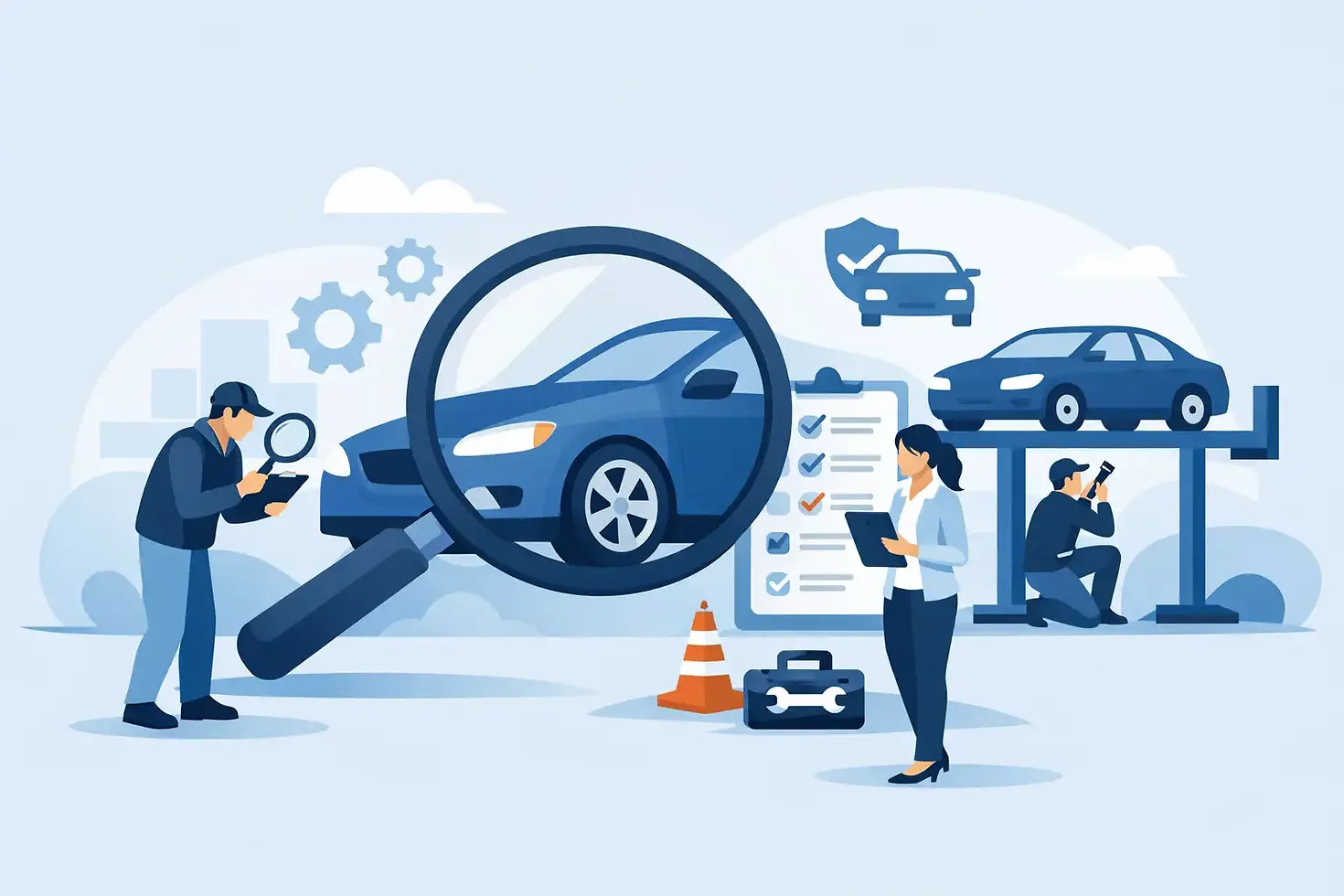
A proper inspection goes beyond a quick walk-round. It looks at mechanical condition, structural integrity, signs of previous accident damage, the quality of any repairs, tyre and brake condition, warning lights, diagnostic fault codes and how the vehicle behaves on a road test. On better inspections, the underbody is also assessed, which can reveal leaks, corrosion, impact damage and poor previous repairs that are invisible from above.
The point is not to expect every used vehicle to be perfect. Most are not. The point is to find out whether the faults are minor and manageable, or serious enough to affect safety, reliability and value.
Why independence matters more than most buyers realise
A vehicle check is only as useful as the person carrying it out. If the inspection is tied to the seller, the report may be shaped by commercial pressure. Even where there is no outright dishonesty, there is an obvious conflict. The person paid to move stock is not in the same position as the person paid to protect the buyer.
This is where a guide to independent vehicle inspections needs to be clear. Independence is not a marketing extra. It is the whole point. You need someone who can say, plainly, that the vehicle is sound, overpriced, poorly repaired, or not worth the risk. That may save you from a bad purchase. It may also give you the confidence to go ahead when the vehicle proves to be honest.
That balance matters. A good independent inspection is not there to kill every sale. It is there to give you evidence.
When to book an inspection
The best time is before you pay a deposit that is difficult to recover and certainly before you complete the purchase. If you are buying from distance, booking an inspection early can save a wasted journey. If you are choosing between several vehicles, it can help you focus on the right one rather than relying on adverts and assumptions.
This is especially useful if you are a first-time buyer, buying a family car, replacing a work van, or spending at the upper end of your budget. In those cases, the cost of getting it wrong is usually far higher than the cost of an inspection.
There are situations where timing is tighter. Auction purchases, high-demand stock and dealer pressure can make buyers feel rushed. That does not make an inspection less important. It makes it more important. Fast booking and mobile availability can be the difference between buying with evidence and buying on hope.
What should be checked on a used car or van
The exact scope depends on the level of inspection, but a meaningful check should cover far more than cosmetic condition. You want a realistic view of the vehicle as a machine, not just as a sales listing.
A sound inspection will usually assess the engine, transmission, clutch where fitted, steering, suspension, brakes, tyres and electrical systems. It should consider whether dashboard warnings are present, whether stored diagnostic faults suggest deeper issues, and whether the vehicle drives as it should under normal road conditions.
Bodywork and structure matter just as much. Poor panel alignment, inconsistent paint finish, overspray, replaced components and signs of filler can all point to previous damage. Some repaired vehicles are still safe and fairly priced. Some are not. That is where experience matters. It is one thing to notice a painted panel. It is another to judge whether the repair quality and underlying damage raise concern.
For vans and working vehicles, load area condition, signs of hard use and general wear can be just as revealing as the mileage. A low-mileage vehicle is not automatically the better buy if its condition tells a different story.
Basic, standard or premium - what level of inspection do you need?
This depends on the vehicle, the price, and how much risk you can afford to carry.
A basic inspection may suit a lower-value vehicle where you want an expert set of eyes on obvious mechanical and condition issues before going further. It can be useful as a first filter, but it may not give the same depth of reassurance as a more comprehensive check.
A standard inspection is often the sensible middle ground for many buyers. It should give a broader mechanical and condition assessment, helping you understand not just whether there are faults, but how significant they are.
A premium inspection is usually the right choice when the vehicle is expensive, specialist, high mileage, has a patchy history, or you simply do not want to take chances. More detailed diagnostics, a fuller road test and underbody assessment can reveal problems that cheaper checks may miss.
There is no one-size-fits-all answer. Spending more on the inspection is justified when the potential repair bill is much higher. On a vehicle costing several thousand pounds, a deeper inspection is often the more economical decision.
What an inspection report should tell you
A useful report does not bury you in jargon. It should explain what was checked, what was found, how serious the issues appear to be, and what those findings mean for your buying decision.
You should expect clarity on safety concerns, mechanical defects, evidence of previous damage, notable wear, and any reasons the vehicle may not represent good value. Ideally, the report should also help you understand whether to proceed, renegotiate, or walk away.
That recommendation is where many buyers get real value. Facts matter, but context matters as well. A worn tyre is one thing. A pattern of neglect, warning lights and suspect repair work is another. A proper report joins those dots.
Common problems independent inspections uncover
Used vehicles often hide faults in plain sight. Some sellers are unaware of them. Others are not. Either way, the buyer carries the risk once the deal is done.
Common findings include oil leaks, worn brakes, ageing tyres, clutch wear, suspension knocks, coolant issues, electrical faults, mismatched panels, corrosion, poor accident repairs and fault codes that have not yet triggered obvious symptoms. Some cars drive well enough for a short viewing but reveal problems once properly tested.
Not every fault should put you off. It depends on severity, repair cost, and the agreed price. A minor defect can be a fair bargaining point. Structural concerns, significant mechanical issues or evidence of poor crash repair are a different matter.
Dealer, private seller or auction - the risks are different
Buying from a dealer can offer more legal protection, but it does not guarantee that the vehicle is free from faults. Stock can move quickly, and preparation standards vary widely. Some dealers are excellent. Some are not.
Private sales can offer better prices, but they place more responsibility on the buyer to assess condition. You are relying heavily on what the seller tells you and what you can spot yourself.
Auction purchases are often the highest-risk route because time is limited and the vehicle may be sold with minimal comeback. In those cases, inspection evidence is particularly valuable where available.
The key point is simple. The sales route changes the level of risk, but it does not remove the need for independent judgement.
Choosing an inspection service you can trust
Look for a service that is clearly independent, transparent on pricing, and straightforward about what each inspection level includes. You should know whether diagnostics, road testing, underbody checks and written reporting are part of the service before you book.
Experience also matters. The right assessor should be able to identify not just faults, but patterns of neglect, poor repair quality and inconsistencies between appearance, mileage and condition. Mobile coverage and quick availability are practical advantages, especially when a desirable vehicle may not stay on sale for long.
Most of all, choose a service that works for you, not for the seller. That is the standard buyers should insist on. Businesses such as Pre Inspection Clinic Ltd are built around that principle, providing independent checks designed to help buyers make clear, evidence-based decisions without sales pressure.
Final thought
A used vehicle does not need to be flawless to be worth buying. It needs to be honestly assessed. If you know its true condition, you can negotiate properly, budget properly, or walk away before a bad purchase becomes your problem. That is what an independent inspection is really for - giving you the confidence to make a decision you will not regret.


Comments